Outdoor Adventures: Enhancing Development Through Nature Play

Why the Outdoors Still Matters?

Nature play reminds us that some of the best childhood lessons happen outside — not behind screens or walls, but under open skies where curiosity leads the way. Children are naturally drawn to explore, climb, dig, and imagine, and nature play gives them the perfect environment to do just that. Outdoor play is not just about burning energy; it’s a vital part of early childhood education that supports a child’s physical, emotional, and cognitive development.

Moments spent splashing in puddles, gathering leaves, or building cubby houses allow children to explore freely and develop a genuine connection with the natural world.
Outdoor-Adventures---Enhancing-Development-Through-Nature-Play

What Is Nature Play?

Nature play refers to any form of unstructured outdoor play that uses natural elements such as sand, mud, water, sticks, or stones. Unlike structured playground time or screen-based games, nature play encourages curiosity and independent exploration.

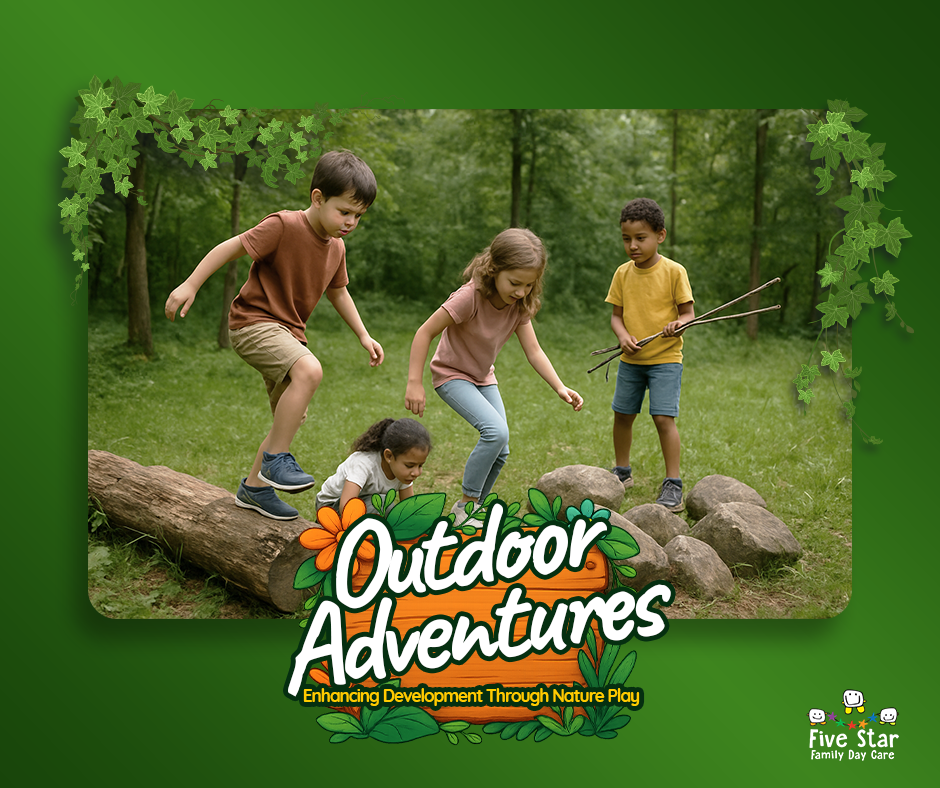
It can be as simple as turning a fallen log into a balance beam, creating mud pies in the garden, or examining bugs under a rock. What matters most is that the child leads the experience — testing ideas, making discoveries, and developing a sense of wonder about their surroundings.

This type of child-led play has become an essential part of nature-based learning, a growing approach in early learning environments across Australia that recognises the powerful role the outdoors plays in child development.

The Developmental Benefits of Outdoor Adventures

Children benefit in countless ways from outdoor learning. Beyond the fresh air and sunshine, nature challenges their bodies, stimulates their minds, and nurtures their wellbeing.

1. Physical Development

Climbing, jumping, digging, and balancing all contribute to gross motor skills and fine motor development. Uneven terrain builds coordination and balance, while carrying sticks or stones strengthens muscles and grip. Compared to indoor play, outdoor adventures offer more opportunities for physical activity, helping children build endurance, strength, and flexibility.

2. Cognitive Growth

Outdoor play naturally encourages problem-solving skills and curiosity. When children construct a fort or design a pathway of stepping stones, they’re engaging in critical thinking, spatial awareness, and planning. Exposure to natural patterns — like the way leaves fall or water flows — also enhances observation and early scientific thinking.

Nature play is a living classroom. Children learn through discovery, not instruction, which promotes deeper understanding and creativity — key principles of play-based learning.

3. Emotional and Social Skills

In outdoor settings, children learn to manage risk, share space, and collaborate with others. Whether they’re negotiating turn-taking or helping a friend over a log, they develop empathy, cooperation, and resilience.

This form of social interaction through play strengthens confidence and independence — essential building blocks for emotional wellbeing. Importantly, spending time outdoors has also been linked to lower stress and anxiety levels in children.

4. Creativity and Imagination

A stick becomes a magic wand. A patch of mud turns into a kitchen. The open-ended nature of outdoor environments sparks imaginative play, allowing children to invent stories and express ideas freely. Unlike structured toys or digital games, nature doesn’t prescribe how to play — it invites endless possibilities.
Learning Opportunities in Everyday Nature

You don’t need a forest or national park to introduce children to outdoor learning. Everyday spaces like backyards, community gardens, or even small patches of grass can become rich learning environments.

Here are some simple and meaningful nature-based activities that encourage exploration and sensory play:

Gardening

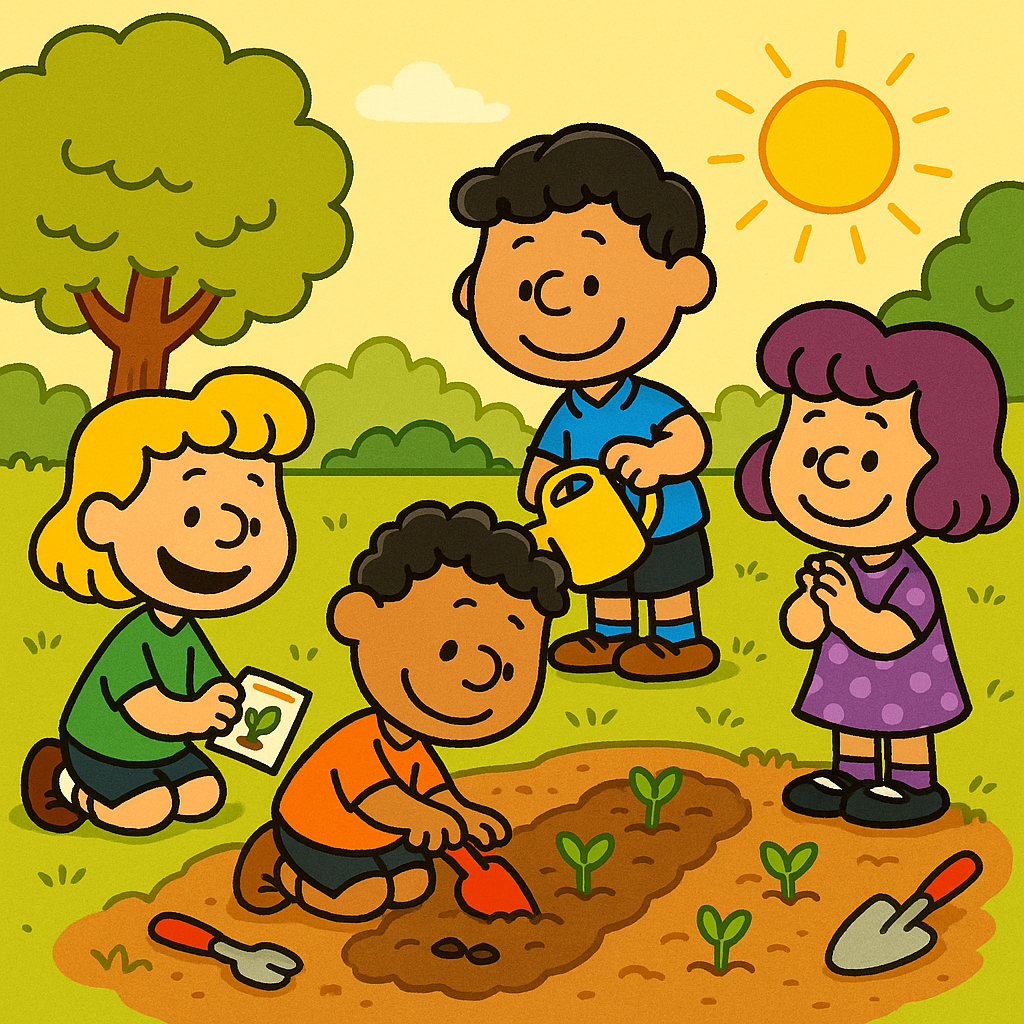
Planting seeds teaches children about patience and the natural rhythm of growth. They learn responsibility by caring for plants, watering them, and noticing how small actions make a difference.

Gardening also builds fine motor skills through digging, planting, and handling soil. Most importantly, it introduces sustainability in a way children can see and touch — helping them understand how living things depend on care and consistency.

Cheerful Gardening Kids - Image created using Sora AI

Nature art

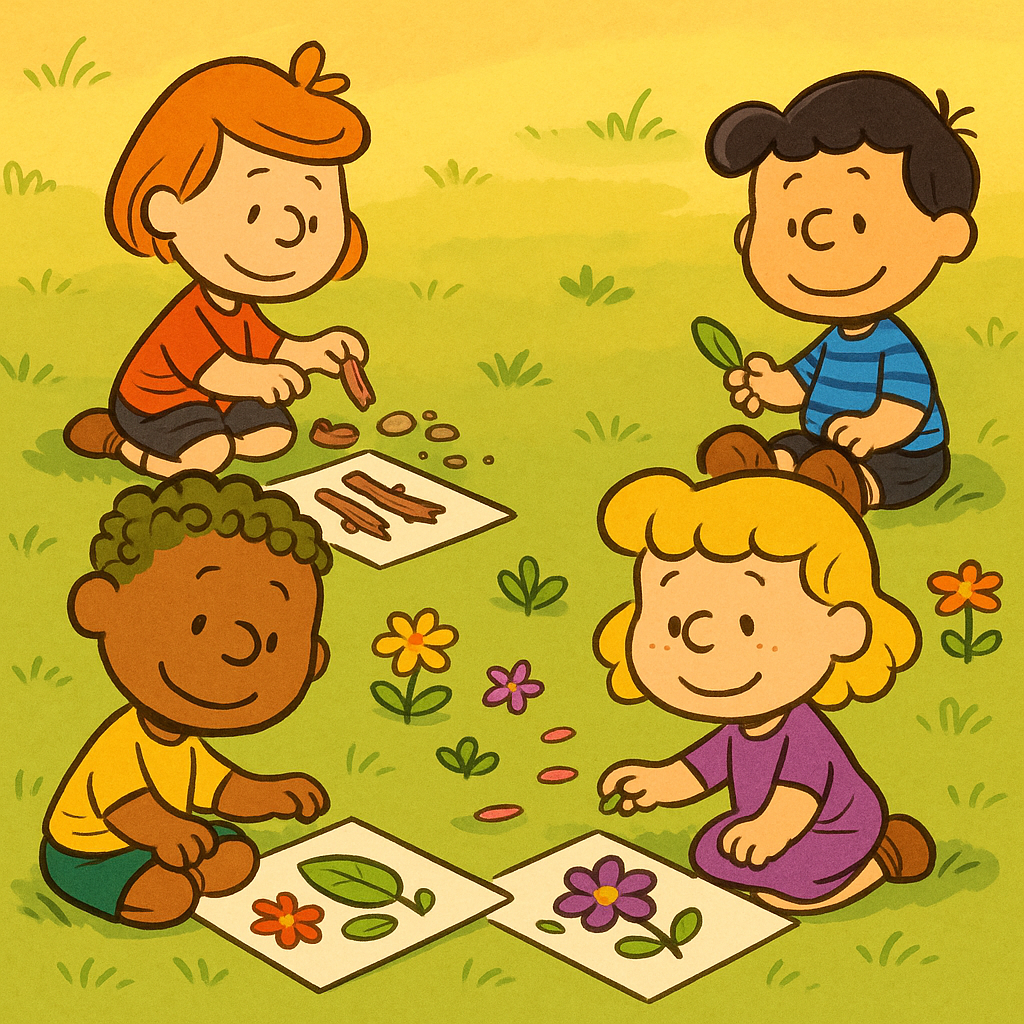
Using leaves, pebbles, bark, and flowers for creative projects turns the outdoors into an open studio. This kind of tactile learning stimulates creativity and encourages children to see beauty in natural shapes and colours.

It also promotes problem-solving as they work out how to build or design using what they find around them. Nature art can be displayed or left behind to return to the earth — teaching both creativity and respect for the environment.

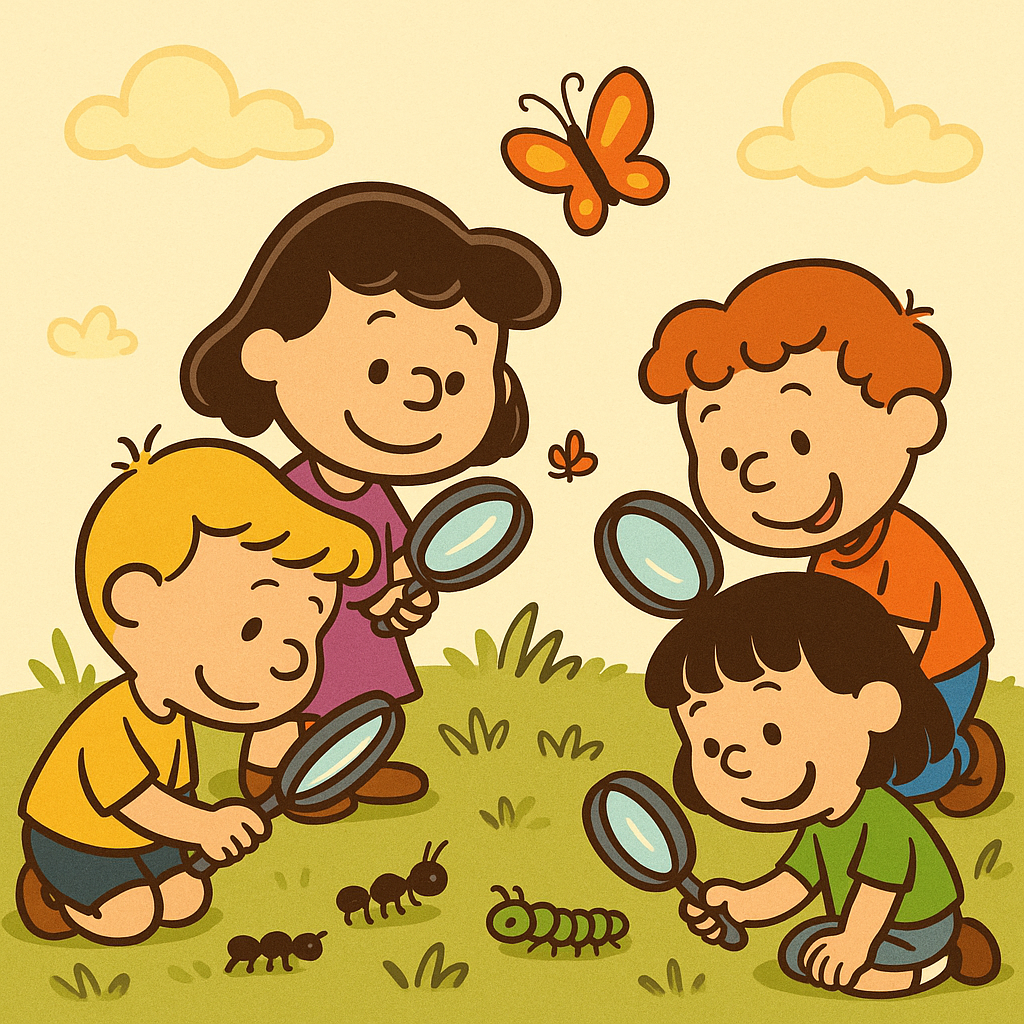
Bug hunts

Exploring insects and small creatures helps children develop curiosity and empathy toward living things. Watching how ants build tunnels or how butterflies rest teaches observation and patience.

These activities also introduce basic science concepts like habitats and lifecycles in a hands-on, memorable way. Through bug hunts, children learn that every tiny creature plays a role in the larger ecosystem — an early step toward environmental awareness.

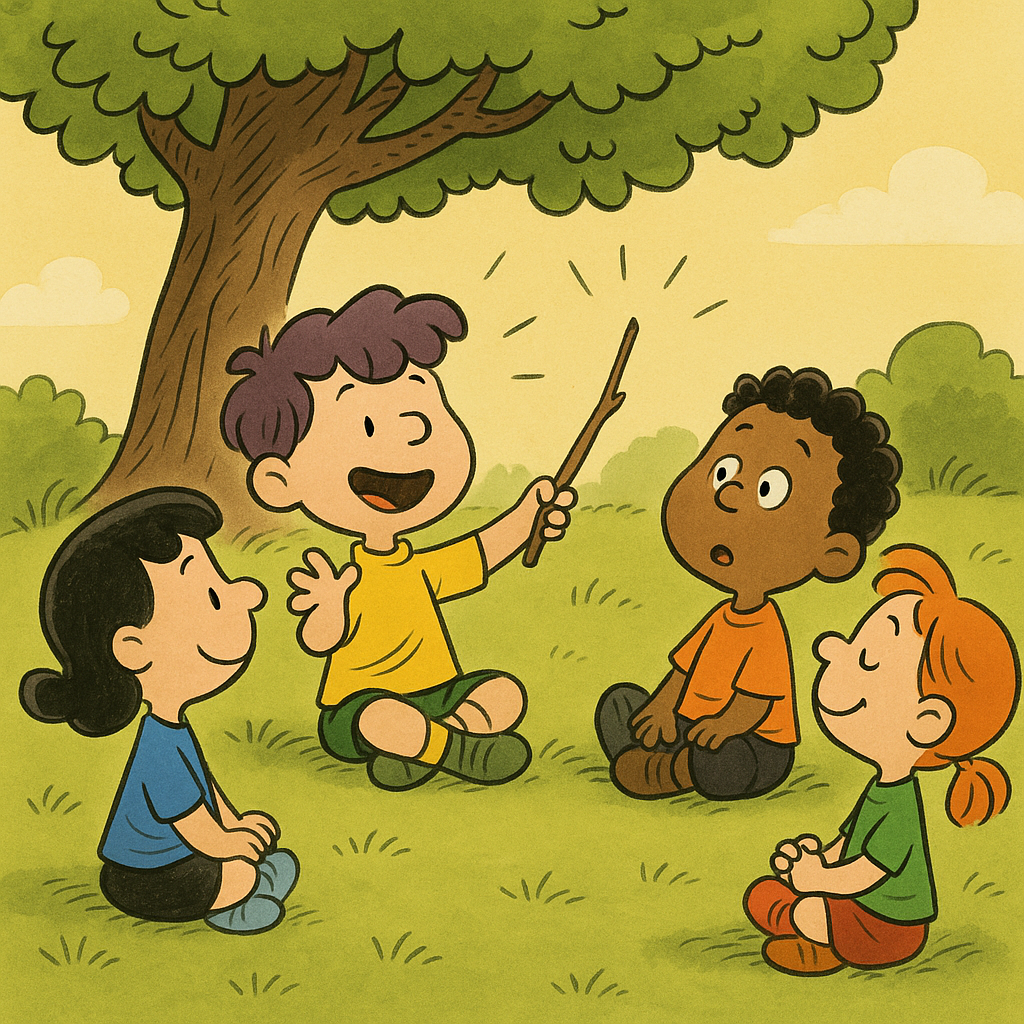
Outdoor storytelling

Turning outdoor discoveries into stories lets children combine imagination with language development. A stick becomes a magic wand, a tree becomes a castle, and suddenly the natural world becomes part of their storytelling.

This kind of imaginative play helps build communication skills and confidence in expressing ideas. It also strengthens emotional connections, as children learn to link their own experiences with the world around them.

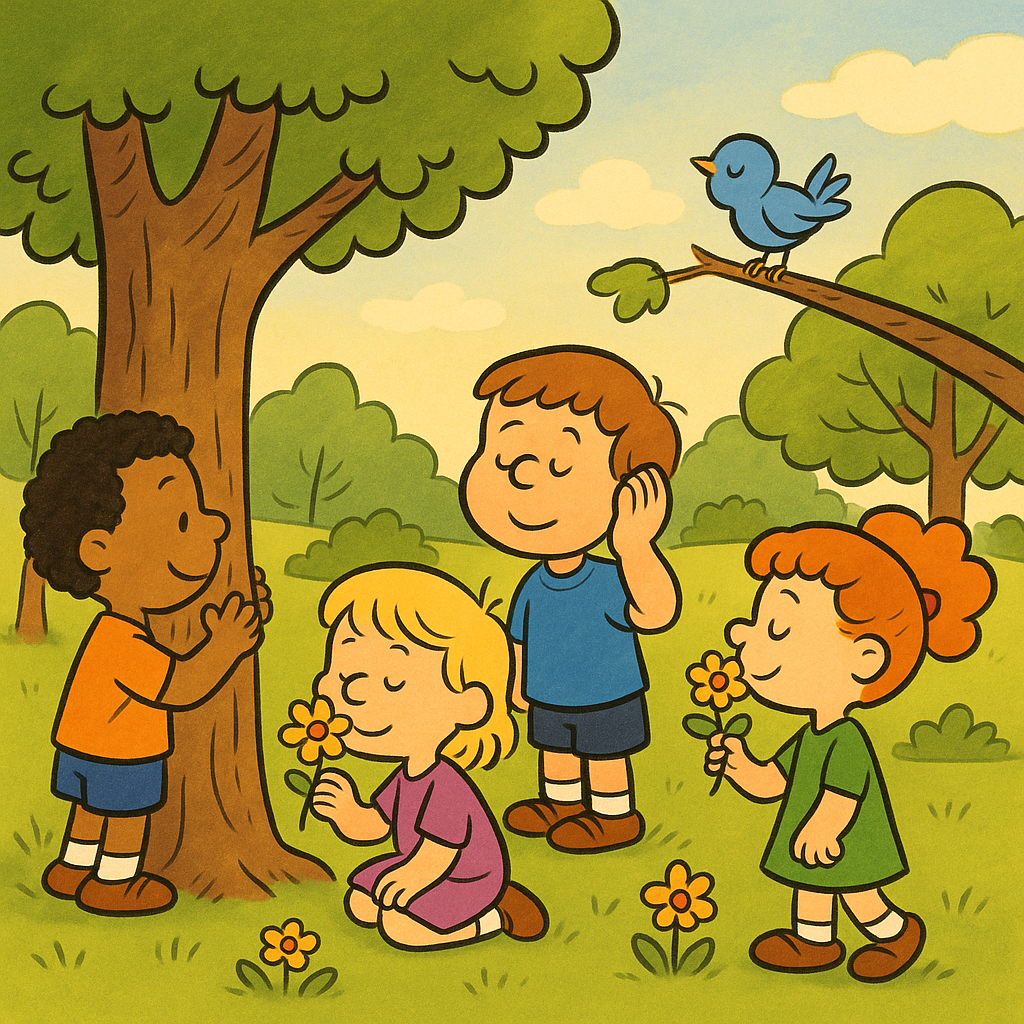
Sensory walks

Encouraging children to notice what they see, hear, smell, and feel turns a simple walk into a full sensory experience. The texture of bark, the sound of birds, or the scent of fresh grass all stimulate brain development and awareness.

Sensory walks help children slow down and engage with their surroundings more mindfully. Over time, this awareness supports cognitive growth and emotional regulation — skills that benefit every part of learning.

Sensory Nature Cartoon - Image created using Sora AI

These hands-on activities promote cognitive development, fine motor skills, and a deeper connection with nature — all while keeping play fun and child-centred.

Encouraging Safe and Meaningful Outdoor Play

While nature play encourages freedom, safety remains important. Supervision ensures that risks are managed appropriately without taking away the spirit of adventure.

Here are some practical tips for parents and educators:

• Choose safe outdoor spaces — check for hazards like sharp objects or unsafe plants.

• Dress children appropriately for weather conditions and ensure sun protection.

• Provide access to hydration and shaded rest areas during hot days.

• Encourage exploration but avoid taking control; let children lead their play.

By balancing safety and freedom, adults can create outdoor learning spaces that are both enriching and secure.

Building Environmental Awareness Through Play

One of the most profound outcomes of nature-based learning is how it shapes a child’s relationship with the environment. When children spend time outdoors, they begin to understand that the world is alive — filled with creatures, plants, and ecosystems that deserve care.

Simple activities like composting, recycling, or observing plant growth can spark early lessons in sustainability. These experiences cultivate a sense of environmental awareness that often lasts into adulthood. Children who grow up respecting nature are more likely to make responsible, eco-friendly choices later in life.

The Role of Educators and Families

Both educators and families play a vital role in promoting learning through nature. In early childhood education settings, teachers can integrate outdoor experiences into daily routines — from storytime under a tree to science lessons about weather or seasons.

At home, parents can support nature play by providing time, space, and encouragement. Even small changes, like reducing screen time or planning weekend picnics, can make a big difference. The key is consistency — regular exposure to outdoor adventures helps children build lasting confidence and curiosity.

Conclusion: Let Nature Be the Teacher

Outdoor play and nature-based learning are not just educational trends; they are fundamental to how children grow and understand the world. Through every splash in a puddle, every mud pie, and every tree climbed, children are developing essential skills for life — independence, creativity, empathy, and resilience.

When we allow children to explore nature freely, we are giving them more than playtime; we are giving them the tools to thrive. As educators and parents, our role is simple: provide the opportunities, ensure safety, and then step back — because nature itself is the best teacher of all.